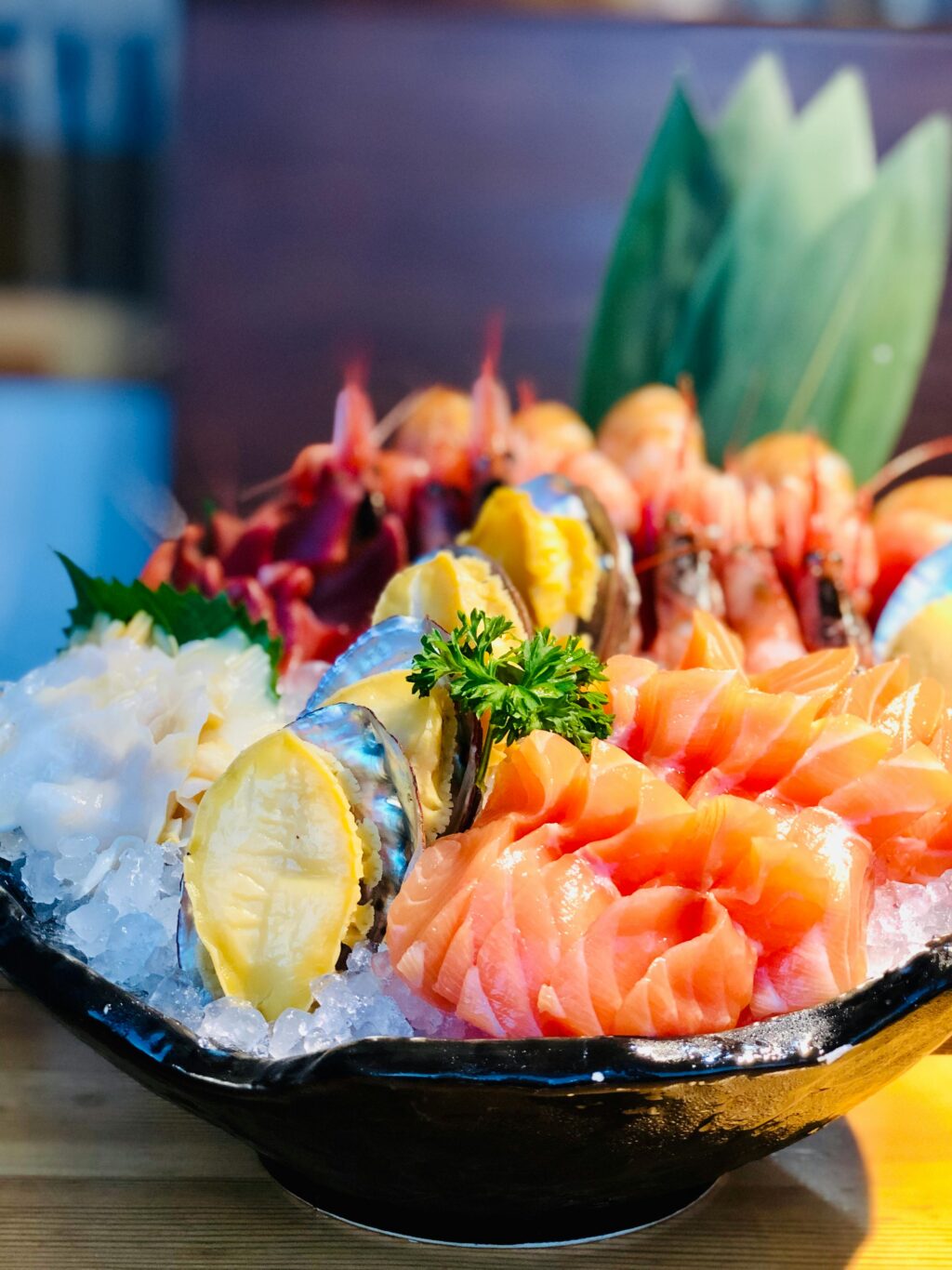
Add fish to your child’s diet to reap the benefits of essential nutrients. The majority of seafood eaten in the United States (such as crab, scallops and oysters) is tasty, healthy and safe. There are some types of fish that children should avoid or consume in small amounts to prevent exposure to high mercury levels.
How much fish should children eat?
Fish is an excellent source of vitamins, minerals and protein. It also contains healthy fats, such as DHA, which are vital for the development of a child’s brain, nervous system, and vision. Some research suggests that eating fish in the early years of life can help prevent allergic conditions such as asthma or eczema.
Children should consume small portions of shellfish and fish one or two times per week to reap the nutritional benefits.
Why do some fish make better choices than others?
- Mercury. Some bodies of water, such as lakes, rivers and oceans, can contain mercury. Mercury is a naturally occurring metal that can be released into the atmosphere by burning fossil fuels, solid waste, and other factories. Bacteria transform mercury into the more hazardous methylmercury when it settles in water. Methylmercury builds up in some fish, especially those that consume other fish and are longer-lived, like sharks and swordfish. The nervous system of a developing child can be damaged by eating too much of this contaminated fish.
- Local concerns. Other water pollutants, such as polychlorinated biphenyls and dioxins, have declined in recent years. This makes them less harmful to human health. They can be found in water and soil, but the levels vary depending on where you are and what type of fish you eat. Contact your local and state health departments for information on the safety of shellfish and fish caught in your area.
- Before you go fishing with your family and cook what you catch, make sure to check the local advisories. If you live in an area where the water is not monitored, only eat one portion of fish per week. Federal Drug Administration (FDA) also recommends that you remove the skin, internal organs and fat before cooking or eating your catch. This is where the water pollution that a fish has been exposed to will collect.
Best seafood options for children:
The FDA, in conjunction with the Environmental Protection Agency(EPA), recently released advice on the healthiest types of fish to eat. The following are some of the many choices for safe and nutritious fish:
- Tuna. The “light” version is the best. The EPA and FDA recommend that children consume canned light tuna in chunks or solids, recommending two to three servings per week. Skipjack is a species of “light” tuna. It has a pinkish hue. This is a healthier choice than yellow or white tuna.
- Other good choices. Salmon and trout are low in mercury and contain high levels of brain-boosting DHA. The “best” seafood choices include shrimp, cod (catfish), scallops, pollocks, tilapias, whitefishes, trouts, flounders, soles, sardines, anchovies, clams and oysters.
- Avoid. Avoid fish with high mercury levels, such as:
- Tilefish
- Shark
- Swordfish
- King mackerel
- Orange roughy
- Marlin
- Bigeye & bluefin tuna
- Future fish eaters. Overfishing is occurring in some of the world’s fisheries. U.S. fishing is often the best choice for sustainable caught or raised shellfish and fish.
Remember
It is important to get your children to eat fish and to know how to choose safe seafood. This will give them the nutrients and taste they need to grow.
Consult your pediatrician
Speak to your paediatrician if you have any questions regarding the fish that is best for your child. The staff at your regional Pediatric Environmental Specialty Unit can talk to parents about environmental toxins.


