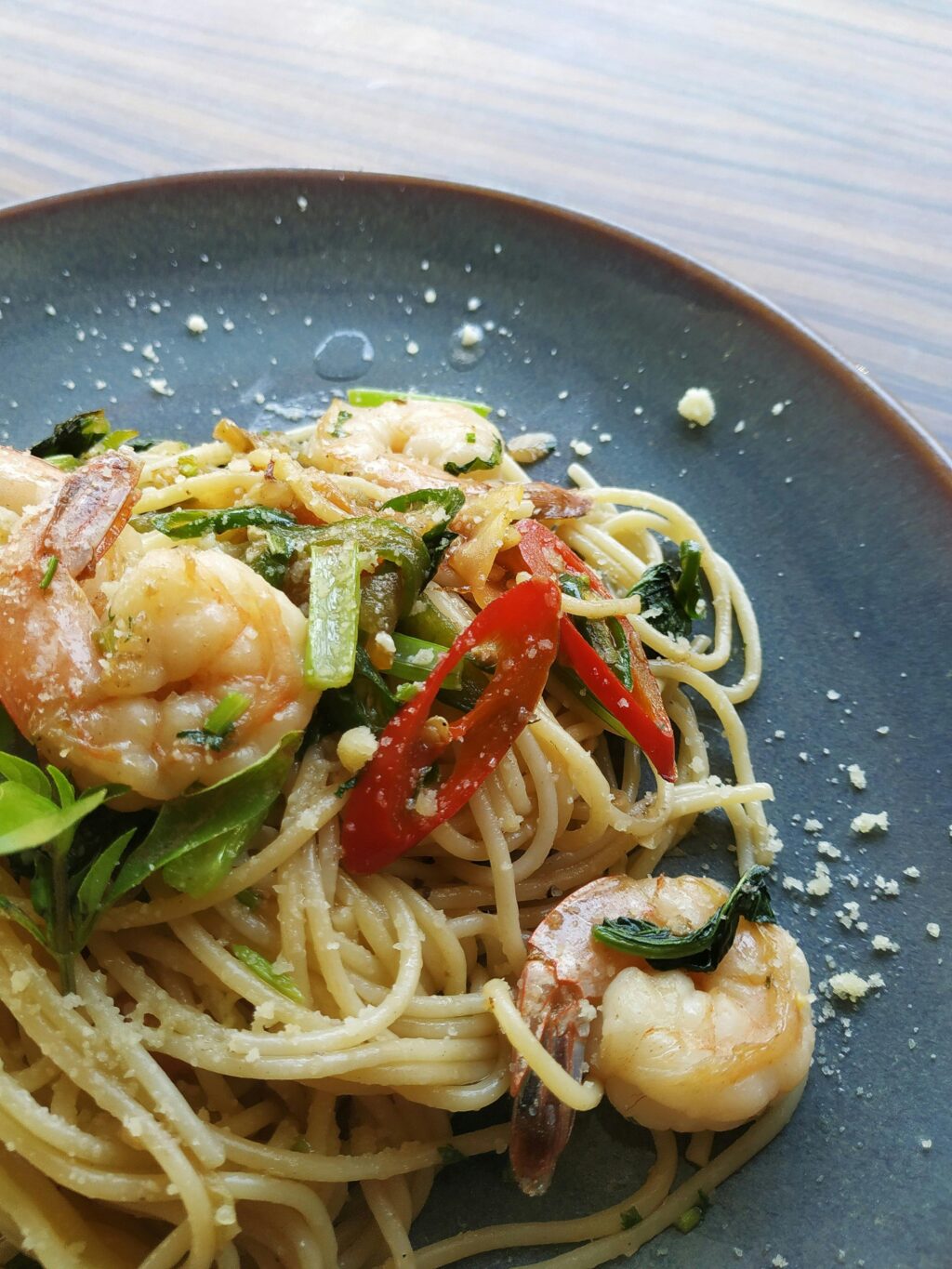
Oily fish such as tuna and salmon are rich in nutrients and proteins. Fish is often lower in cholesterol and saturated fats than meat and is an important part of the Mediterranean diet. Fish is also rich in vitamins and minerals such as zinc, iron, B vitamins, and other minerals.
The United States Department of Agriculture suggests that people consume seafood at least twice a week as part of a healthy diet.
Omega-3 fatty acids are essential fats for humans, and oily fish are a good source of them. Omega-3 fatty acids have potential health benefits, such as preventing cardiovascular disease.
Fish is a low-fat source of protein, so incorporating it into your diet could also lead to weight reduction.
This article will examine the eight best fish types to eat, their nutritional profiles, and how to prepare them.
1. Wild-caught Salmon
Omega-3 fatty acids are found in all types of salmon, and they’re good for your heart.
This fish also contains a lot of calcium and vitamin D. For higher levels of nutrition, wild-caught salmonTrusted Source is preferred over farmed salmon.
Wild salmon contains more Omega-3s, vitamins and less saturated fat.
How do you cook it
Salmon can be prepared easily by steaming it in parchment.
Do this:
- Chop and sauté some vegetables such as zucchini or carrot.
- On top of the parchment, make a bed with the vegetables.
- Sprinkle fresh herbs on top of salmon fillet and vegetables.
- Fold the paper in half to seal the parcel.
- Bake the parcel at high temperatures for 10 minutes or until the flakes are visible with a fork.
2. Tuna
Tuna is safe in moderation. However, some varieties contain more mercury than others, so people should limit their consumption.
The mercury content of canned albacore or white tuna is higher than that of canned skipjack or light tuna.
Tuna has a low-calorie count and is high in vitamins, protein and minerals. A 100-gram serving of skipjack TunaTrustedSource contains 22 grams of protein.
Overfishing threatens certain types of tuna, including the bluefin. When possible, people should select a variety that is not in danger, like skipjack.
How do you cook it
Tuna is very easy to prepare. Sprinkle salt and pepper on a tuna steak after brushing it with olive oil. Sear the tuna steak on medium heat for 5 minutes or until it flakes easily.
3. Rainbow trout
The majority of the trout available in supermarkets is produced in freshwater ponds or concrete raceways that mimic a moving river.
In the United States, strict regulations limit the amount of chemicals farmers can use. This regulation results in lower mercury levels, which makes farmed fish safer and healthier.
The Farmed Rainbow Trout contains 19,94 g protein per 100 g of Trusted Source, as well as 4,30 micrograms of vitamin B-12.
How do you cook it
It is easy to prepare trout by baking or grilling it with olive oil, herbs, and lemon juice.
4. Pacific Halibut
Halibut has a mild, firm flavour. Halibut is a great choice for those who don’t usually eat fish but want to include it in their diet.
Halibut is a great source of vitamin D and potassium. It contains 18.56 grams of protein in 100g.
How do you cook it
Halibut can be prepared and eaten in many different ways.
Marinating halibut in olive oil, parsley, basil, and lemon juice is a simple way to prepare the fish. Grill or sear the fillets in a pan until they easily flake.
Add brown rice and vegetables for a filling meal.
5. Mackerel
Mackerel is a firm white fish with a powerful flavour.
The fish tends to contain more vitamin B-12 and omega-3s than other types. Check the food label to see if the sodium level of mackerel is higher if it’s pickled or smoked.
The smaller varieties of fish, like the Spanish and Atlantic mackerel, are better options because larger fish contain more mercury.
How do you cook it
Poaching mackerel is easy with some wine, water and sliced onions.
6. Cod
Cod is an easy-to-prepare white, flaky fish.
Cod is an excellent source of vitamin B-12, niacin, and phosphorus. It’s high in protein but low in calories and fat, making it a great choice for those who want to lose weight.
How do you cook it
Season cod and roast it in the oven. Serve with roasted vegetables, such as zucchini, asparagus, onions, and peppers.
7. Sardines
Sardines, another oily fish that offers many nutritional benefits, are also available. Sardines contain calcium, iron and selenium. They are also rich in protein, vitamin B-12 and omega-3 fats.
Sardines are available in fresh form, but they are more often canned or frozen. Check the labels of canned sardines to see if they contain oil or sodium.
How do you cook them
Sardines in a can are a great way to add texture and flavour to any salad.
8. Herring
The Herring is another fish in the sardine group. In 100 grams of Herring, you will find 17.96 g of protein and 13.67 mcg of vitamin B-12TrustedSource.
When planning meals, people should keep in mind that pickled or smoked salmon has a high sodium content.
How do you cook it
You can buy Herring that has been boned and filled, ready to be baked, pan-seared, or grilled.
What fish should you avoid?
Mercury is a concern for some people when it comes to eating fish. Mercury is a toxic element that can damage the kidneys or brain.
Mercury is more concentrated in larger fish, as it has been there for a longer time. It is important to eat a variety of fish in order to reduce mercury consumption. Avoid tilefish from the Gulf of Mexico and sharks, swordfish, king mackerel, and other fish that contain high mercury levels.
Overfishing is also a moral issue. People should avoid fish that are in danger and choose their fish only from sustainable sources.
There are resources available to assist people in choosing healthy types of fish that are not harmful to the environment. Monterey Bay Aquarium, for example, runs a program called Seafood Watch that uses information from environmental and health groups to recommend seafood around the world.


