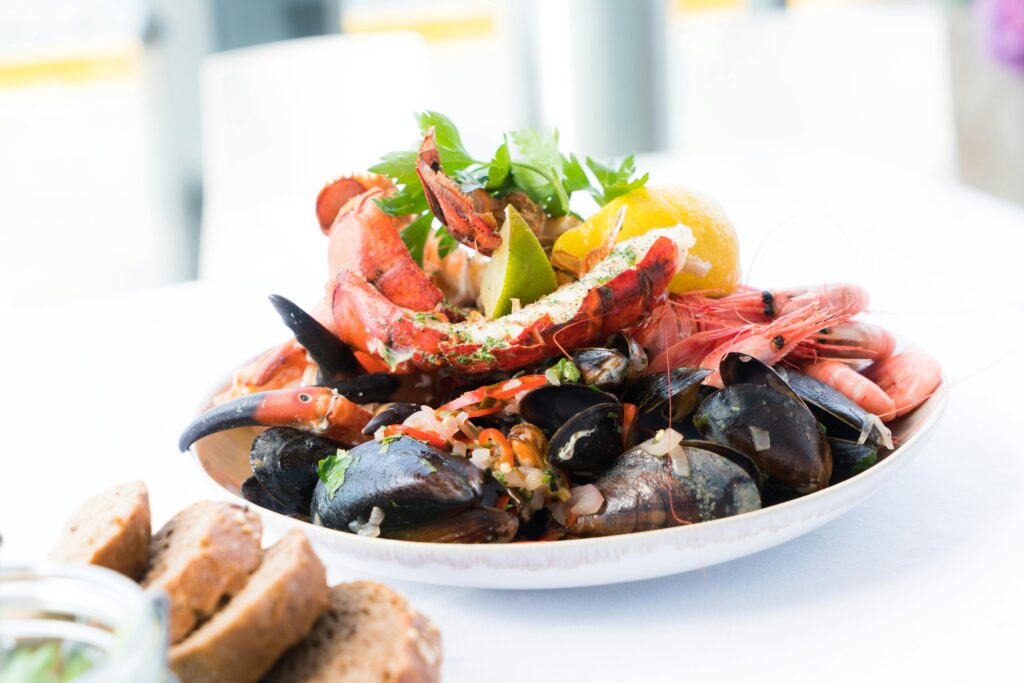
Smaller fish, such as clams, oysters, and bivalves, are healthy and environmentally friendly options.
If you eat seafood, always stick to your favourites like salmon, tuna, and shrimp. Next time you go to your local supermarket or fishmonger, try casting a wider web. Choose seafood lower in the food chain, such as herring, oysters, clams and sardines. This will benefit both your heart health and the environment.
The term seafood is used to describe fish and shellfish. However, there is a larger category of foods called aquatic foods. This includes all foods that come from freshwater or marine environments (see: “What are aquatic food ?”). Christopher Golden, associate Professor of Nutrition and Planetary Health at Harvard T.H. Chan School of Public Health.
What are aquatic foods?
Aquatic foods include aquatic animals, plants, and microorganisms. Wild-caught aquatic foods can also be farmed. They are sourced from freshwater rivers and lakes, coastal areas such as estuaries, and oceans.
Finfish is the largest category of aquatic food. It includes small fish, no longer than 18 inches, like anchovies and herring; medium-sized fish, like mahi and mahimahi; trout, cod, and flounder; and large fish, up to 10 feet long, including tuna and swordfish.
The other aquatic foods include
- Crustaceans (such crabs, shrimps, krills, prawns and lobsters)
- Cephalopods include squid, octopus, and other cephalopods.
- Molluscs include clams, sea snails and mussels.
- Aquatic plants (such as water spinach)
- algae (seaweed).
Terrestrial vs. aquatic foods
Dietary Guidelines for Americans and the American Heart Association both recommend that adults consume at least two portions of seafood each week. By substituting seafood for terrestrial animal proteins like beef, pork and chicken (especially in processed form), you can consume less saturated fats and more omega-3 fatty acids. This, in turn, may ease inflammation in the body and promote an improved balance of cholesterol and fats in the blood. This may also explain why those who eat fish at least twice a week have a lower risk of heart attacks and heart disease.
Harvard Health Publishing’s 6-Week Healthy Eating Plan
The Harvard Medical School 6-Week Healthy Eating Plan will guide you through a week-by-week program that will transform your eating habits and help you create a healthy diet for life. Harvard experts guide you in making a diet plan that will improve your heart health, vitality, energy and longevity. But including smaller fish varieties in your diet is even better, says Golden.
Why Small Fish?
Anchovies are a great source of protein. They also contain micronutrients such as iron, zinc and vitamin B12, as well as heart-healthy omega-3 fatty acids. Golden says that small fish are rich in calcium and Vitamin D because you eat them whole (including their tiny bones). Mackerel is the exception. Cooked mackerel bones are too sharp and tough to eat. However, canned mackerel bones are not. Comparatively, small fish species are less likely to be contaminated with contaminants like mercury and polychlorinated biphenyls. These and other large species feed on smaller fish, which concentrates on toxins.
Golden says that sardines and anchovies also feature prominently in the Mediterranean diet, which is considered to be the best for heart health. These species are available in canned form, which is less expensive and more widely distributed than the fresh version. Most canned anchovies, however, are salt-cured and, as such, high in sodium, which can increase blood pressure.
Sardines can be packed in olive oil or water.
- Serve on crackers, crusty bread or toasted bread. Add a squeeze of fresh lemon.
- Prepared like tuna salad as a sandwich filling
- Add to Greek salad
Online Cognitive Fitness Course
You may be wondering if there is a way to improve your memory and cognitive function. In our course, you will learn about lifestyle changes that can be made to improve your mental fitness and keep you mentally sharp. Tossed with pasta, added to tomato sauce, or with capers, lemon and red pepper flakes.
Have You Tried These Seaweed Selections?
Seaweed is a great way to get even lower on the food chain. It contains many different species of algae and marine plants. You’ve likely eaten nori before, which are the flat sheets used in sushi rolls. Seaweed snacks are also available in Asian markets and many grocery stores; for the truly adventurous, kelp-jerky and kelp-burgers are available online. Kelp is a brown type of seaweed. There are also many green and red varieties.
Seaweeds contain a wide range of nutrients, which vary from species to species. Seaweed contains iodine – a mineral necessary to produce thyroid hormones – and is low in calories. Seaweeds are rich in minerals and vitamins, just like terrestrial vegetables. Seaweeds are currently considered fringe products in the United States. However, they could become mainstream in the near future.
Bivalve benefits
Bivalves include mussels, clams and scallops. The bivalves are good sources of proteins, but they’re low in fat. They aren’t rich in omega-3 fatty acids like small fish. Bivalves, which are a type of mollusc, contain several micronutrients. These include zinc and vitamin B12. Zinc is important for a healthy immune system, and vitamin B12 forms red blood cells that carry oxygen and maintain nerve health.
Golden suggests that you serve canned oysters or mussels on crackers. Bivalves are often eaten on their own, steamed or sauteed, or even grilled. They can be added to salads, pasta dishes or soups.
Environmental Advantages
Aquatic foods produce far less greenhouse gas than terrestrial foods. Land, water, pesticides and energy are required to produce terrestrial protein foods, such as pork, poultry, dairy and beef.
Manage Your Cholesterol
The latest information is provided in Managing Your Cholesterol to help you, or someone close to you, keep your cholesterol under control. The report explains what healthy and unhealthy cholesterol is and gives specific tips on how to maintain a healthy cholesterol level. The report covers cholesterol testing and genetics. This report includes the latest scientific evidence on treatment options, such as statins and other medications, as well as the pros and cons. It also provides information on substances that are advertised to reduce cholesterol. You can work with your doctor on an individual treatment plan by using Managing Your Cholesterol.
Farm-raised salmon is also fed fish meal, which is made of small fish. Golden says that eating smaller fish is a better option than wild-caught salmon. He says that salmon farmers are using less fishmeal, and some companies produce highly nutritious feeds without the need for fish meal.
Bivalves are a good source of animal protein from a health perspective. Golden says that bivalves are a “nature-positive” food because they do not require feeding filters and clean water.
Crustacean Concerns?
Doctors would warn people with high blood cholesterol to avoid eating too much lobster, shrimp, or crab because these shellfish contain a lot of cholesterol. This warning is no longer relevant, as experts now recognize that dietary cholesterin has only a small effect on blood cholesterol. Crustaceans also have a low-fat content and are high in protein.
When buying shrimp, the most popular type of seafood in America, choose wisely. Avoid farmed shrimps from Southeast Asia as they have harmful effects on the environment and your health. These include habitat destruction, pollution and misuse of antibiotics. The Monterey Bay Aquarium offers advice on how to choose environmentally sustainable shrimp and other seafood.
Add aquatic foods to Your Diet.
While we often think of coastal cities when searching for seafood, it can be found all over the United States. Golden recommends that you try Asian markets for less common varieties. They often have a variety of fish and bivalves.


