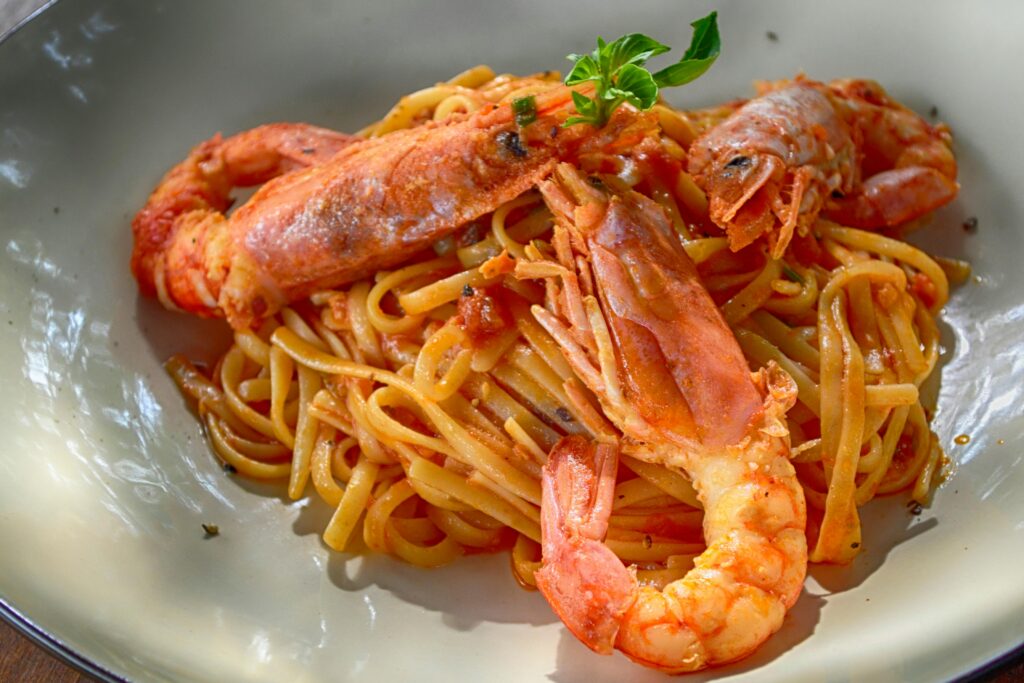
Fish is a polarizing food, like raisins, raw tomatoes, and cilantro. Some love it, and others are not fond of it and make a gross face at the mention of a seafood restaurant.
It’s true, but there’s an excellent chance that the person who hates fish in your family hasn’t yet met their BFF. Valerie Agyeman RD, a dietitian specializing in women’s nutrition and founder of Flourish Heights Virtual Nutritional Counseling Service, says that many fishes don’t even taste “fishy”. It is possible to get picky eaters to try mild fish in pasta, tacos or pizza. Agyeman says that adding seafood is a good idea.
It’s also worth experimenting with because, according to Grace Derocha RD, CDCES MBA, a spokesperson for The Academy of Nutrition and Dietetics, fish is “packed with vitamins and nutrients which can lower blood-pressure and reduce the risk of a stroke or heart attack.” Omega-3 fatty acids, vitamin D, riboflavin and calcium are among the nutrients found in fish. Other nutrients include iron, zinc and magnesium. Agyeman says that it doesn’t matter that health organizations like the American Heart Association suggest eating fish two to three times per week. She says that fish is a good source of lean protein for your muscles, skin, bones and tissue.
Some people avoid fish due to concerns over sustainability or fear of mercury, a neurotoxin which is especially harmful for pregnant women and children. This can be a problem with larger fish. The majority of fish sold in stores are safe to eat up to three times per week. Agyeman says that it’s best to search for sustainable certifications, such as MSC, ASC, or Fair Trade USA, to ensure a healthy, safe and responsible seafood supply. Derocha says you can also visit Seafood Watch to get seafood recommendations based on sustainability standards.
According to the Food and Drug Administration, women who might become pregnant or are breastfeeding, as well mothers and young children, should avoid:
- King mackerel
- Marlin
- Orange roughy
- Shark
- Swordfish
- Tilefish (Gulf of Mexico).
- Tuna, Bigeye
Inspired? These 15 fish are super healthy and should be a part of your diet. The order is not important — the most nutritious fish for you will depend on your needs and your overall diet. If mercury is an issue, we’ll show you how to minimize your exposure.
1. SALMON
Salmon is the prom king of fish; that’s very popular. DeRocha says that salmon fat (especially the fat from wild-caught salmon) is of a “good” type and contains calcium and vitamin D. She says that wild-caught salmon is caught in its natural habitat and is, therefore, less likely to be exposed to contaminants or processed fish foods. Men should consume 1.6 grams of Omega-3s per day, while women should consume 1.1 grams. A 3-ounce serving is more than sufficient. The wild salmon species with the highest omega-3 content are Alaskan Chinook salmon (or King salmon), Coho salmon, and sockeye.
2. TUNA (Skipjack)
Tuna is a great choice for quick lunches. Just open up a can or pouch and add it to your salad. Agyeman says that tuna is rich in vitamin D, selenium, and omega-3 fatty acids. Derocha says that while antioxidants protect your body from oxidative damage and cell damage, don’t eat only tuna because it contains a lot of mercury. When it comes to fish, larger varieties contain more. This means that you should limit your intake of yellowfin tuna, ahi, and albacore. She suggests choosing smaller species, such as skipjack tuna, which is chunk-light in a can.
3. PACIFIC COD
Derocha says cod is an excellent fish for beginners. Its milder taste is perfect for kids and picky eaters. Cod is so popular that it often appears in fish and chip recipes. When grilled or baked, cod is naturally low in fat and rich in protein.
4. SARDINES
Because they are “fishy,” sardines are NOT an excellent starter fish. Agyeman says that these little bugs have a strong flavour but are good for you. She says that sardines contain iron, selenium, and tiny bones which are edible. They also provide calcium without dairy. “Sardines with crackers is one of my favourite midday snacks that keeps me feeling satisfied and gives me an energy boost.” You can also serve them over pasta, in tomato sauce or with garlic and lemon.
5. HALIBUT
Derocha says that halibut is a mild-flavoured, firm white fish. It’s a good choice for kids (try it grilled or use it to make fish sticks). Selenium, phosphorus and magnesium are all good sources of halibut. It also contains vitamins B6 & B12. The FDA does not recommend it for two to three times a week because of the mercury content.
6. MAHI-MAHI
Derocha says that because it is also known as a dolphin fish, it can be confused with the mammal version. But don’t worry – they are completely different. Derocha says that mahi-mahi, which means “strong” (in Hawaiian), is a tropical fish. It can withstand almost any preparation. This fish is also good for a once-a-week meal.
7. UNAGI is also known as EEL (A.K.A. EEL)
Unagi, a popular Japanese food, is rich in vitamins, minerals, proteins, and other nutrients. Derocha says that unagi contains the most unsaturated fats of any sea creature. The omega-3 fatty acids in unagi can help lower cholesterol and improve blood pressure. This and vitamin A are believed to reduce wrinkles and keep skin supple. Look for Japanese rather than American unagi.
8. Oysters
If you ever needed a reason to try this shellfish, now is it! The salty, slimy slurp of oysters is not for beginners. But regulars rush to the raw bar. Agyeman says that oysters are rich in zinc, which helps your body fight colds, viruses and other nasty bugs. Derocha suggests cooking them in a stew. Also, they are great for the environment. She adds that “the shells are a great source of calcium which can be used to build strong plant barks and balance soil pH.”
9. HERRING
Derocha says that these silvery fish are not only affordable but also contain omega-3s and have a low mercury content. This makes them one of the safest and cleanest ocean fish to eat. Herring is a great source of vitamin D. For people who do not get enough sun; herring may be the ideal way to maintain recommended vitamin D levels in their bodies.
10. SHRIMP
Any day of the year, shrimp is a great addition to tacos. Agyeman says that although shrimp is not technically a fish, they are high in protein and have a mild flavour, which adults and children can enjoy at any time. It’s also an excellent source of selenium and iodine, which support a healthy metabolism and thyroid.
11. SCALLOPS
The shellfish has a delicate taste and a pleasant texture. Derocha says that once scallops have been shucked, they are easy to prepare. Just be careful not to overcook them. It’s easy to do. All it takes is a quick searing in a super hot pan to cook them to perfection. Low in mercury and ranked as sustainable, scallops are available in wild and farmed types. Agyeman says they’re a good option for picky eaters.
12. TILAPIA
Derocha says that despite its bad reputation as a bottom feeder, tilapia is a healthy seafood option. She says it is inexpensive and plentiful. It’s the fourth most popular type of fish in the United States, behind salmon, tuna and Pollock. She says it is rich in vitamin B-12 and niacin. It’s also mild and contains phosphorous, potassium and phosphorus. She says that tilapia has a taste similar to chicken breast but without the skin and bones.
13. CLAMS
Agyeman says that she prefers shellfish because of their vitamin B-12 content, which is essential for the health of blood cells, nerves, and brain functions. Derocha agrees. Clams are rich in essential amino acids, which is one of their best qualities. They are essential amino acids which the body can’t produce and must, therefore, be obtained through food. Clams provide over 100% of the daily recommended intake of 11 amino acids, including all nine essentials.
14. CRAB
There’s no reason to keep it reserved for special occasions. She says that depending on the type of crab, it can range from 80 to 100 calories per 3-ounce serving and provide 16 to 20 grams of protein plus 350 to 400 micrograms of Omega-3 fatty acids. The Seafood Watchlist lists Alaskan Crab as the “best choice” in terms of sustainability.
15. WILD ALASKAN POLLOCK
Alaskan Pollock, which is wild-caught from the northern Pacific Ocean, has a mild flavour and a light texture. It’s used in many fish sticks and battered products for kids because they love it. Derocha says it’s one of the most affordable fish and that it naturally takes on the flavours and spices of marinades. It is great in many dishes. Alaska Pollock’s omega-3 content is its shining star, she says. “It provides between 50-1,000 mg of omega-3 per serving.”


