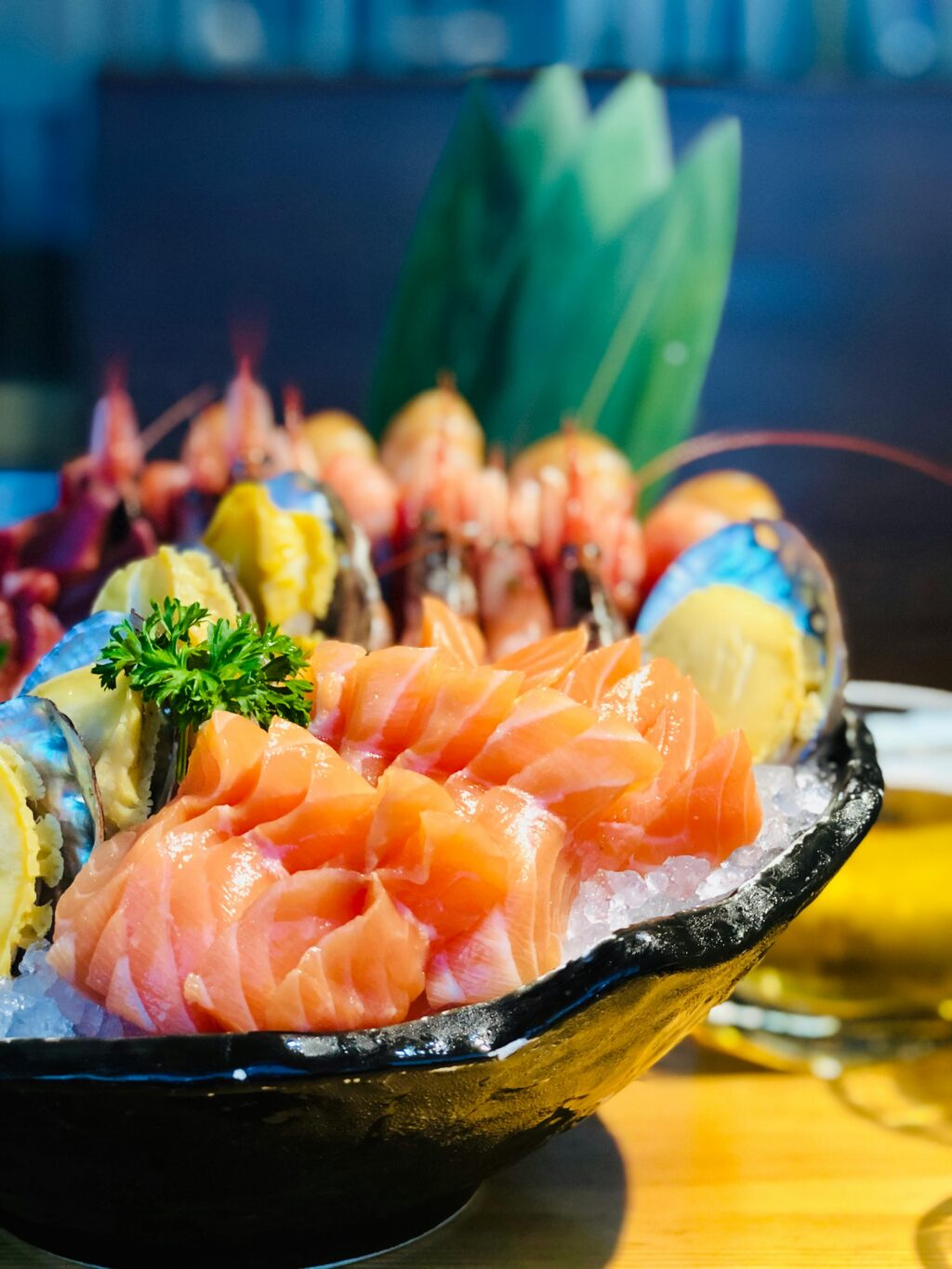
Fish is a vital part of any healthy diet. Experts recommend eating two portions of 4 ounces per week or one portion of 8 ounces. Dietitian Miriam Troutner from UnityPoint Health explains how eating fish can be good for you and the importance of Omega-3 fats. She also shares some recipes to help keep your meal plans interesting. Health Benefits of Fish
Eating fish has many health benefits. These include lowering triglycerides, blood pressure, and inflammation. It also improves eye health and reduces the risk of stroke and heart disease. Fish is a good source of minerals like calcium, magnesium and zinc. It’s also a great source of omega-3 fats. Fish high in omega-3s include salmon, sardines and tuna. Haddock and pollock are less fatty fish that contain omega-3s. Fish is the best source of omega-3 fatty acids. They can also be found in certain grains, oils derived from plants, and some algae and seaweed. Fish contains more omega-3s in a form that our bodies can absorb better. This is called EPA (eicosapentaenoic acids) and DHA. Omega-3 fats in plant and grain fats are known as ALA (alpha-linolenic acids). You can convert ALA into EPA/DHA, but the best way to get EPA is by using fish. It’s important to eat fish to get omega-3 fats. However, you can also get ALA fats by eating foods like ground flaxseeds, avocados or walnuts. If you are allergic to fish or choose not to eat it, ALA fats can be a great alternative.
How to choose a healthy fish to eat Some fish might seem to have a strong flavour or be difficult to prepare. Troutner suggests trying out different fish species until you find one that suits your taste. You can find out more about responsibly sourced fish from NOAA or seafoodwatch.org.
Is Flounder a Healthy Fish? The flounder is a healthy saltwater fish. It is a mild white fish that has a texture similar to tilapia. It also contains a lot of vitamin B12. The flounder is rich in omega-3 fatty acids, unlike tilapia. Try substituting flounder for tilapia in a recipe calling for it next time. If you are trying to decide between salmon and flounder, think about the source. NOAA states that “summer flounder”, a fish from the United States, is responsibly and sustainably harvested in accordance with U.S. regulations. The Flounder fish is leaner, so it will have fewer calories and omega-3s. Is Salmon Good for You?
Dietitians and health experts often recommend salmon as a protein. Salmon is low in saturated fats and high in Omega-3s. Salmon is a versatile fish that’s easy to cook and a great source of potassium, vitamin D and vitamin B12. It is a filling and satisfying meal because of its higher fat content.
Is Haddock healthy? Haddock, like flounder, is a lean fish that has less than one gram of fat in each fillet. This fish can help you add protein to your diet without adding extra calories. Saltwater fish are considered to have stronger tastes and a more textured texture than their closest relative, cod. Haddock, unlike cod, contains high amounts of omega-3 fatty acids.
What is the leanest fish to eat? Fish is generally regarded as a source of lean protein. Technically, this means that it contains less than 3 grams of dietary fat per ounce. Because fish is a very lean protein source, many recipes will add extra fat to the cooking process or when serving it. This can enhance its flavour. Keep fried fish for special occasions, and avoid creamy sauces when you regularly eat fish.
What is the best fish for weight loss? It’s not necessary to choose a specific fish for weight loss. Even fish with high levels of omega-3 fatty acids are lower in calories than other proteins but still provide the added benefit of essential omega-3 fatty acids. Preparation is the key to sabotaging your weight loss goals. To keep the fish moist, use broth or citrus juice to cook or serve it. Avoid fried or topped fish or fish served with mayo/sour cream sauces. You can achieve your weight loss goals by adding more fish to the diet. The heart-healthy Omega-3 fats are the biggest benefit of eating fish regularly.
What fish has the most protein? All fish contain protein. The amount of proteins in a fish piece will vary depending on its fat content. A 4 oz cooked piece of fish contains between 22 and 28 grams of protein. When buying fish in the supermarket, choose 4-5 oz filets. This standard serving will give you enough omega-3s while saving room on your dinner plate for fruits, vegetables and whole grains. Don’t worry if you don’t like fish! Add more beans, lentils and high-fibre fruits to your diet.
Fish Oil Pills or Eating Fish? Fish Oil Pills vs. Many studies have found that actual fish consumption is more beneficial than just taking fish oil supplements. Other studies have shown that taking a fish oil supplement is useful, particularly if you don’t eat any fish. Be careful when choosing a fish oil supplement. The majority of supplements will not contain enough essential omega-3 fatty acids. Look for a supplement that contains about 1 gram of EPA/DHA, and watch the portion size. You may need to take multiple pills per day to get the 1-gram dose. Fish oil can cause diarrhoea and upset stomach when taken in pill form. Fish oil can interfere with blood thinners, allergies or excessive omega-6 and Omega-9 fats.
Talk to your UnityPoint Health primary provider before taking any fish oil supplements.
The Risks of Consuming Fish When the temperature reaches 140 degrees, the bacteria and salmonella in the fish will be killed. The fish should also be opaque (not glossy and transparent) and separated into flakes. When cooked correctly, shellfish will open. Do not eat shellfish that hasn’t opened. If fish is stored incorrectly, undercooked or kept for too long after it has been prepared, food-borne illnesses can occur.
There are precautions to take when it comes to eating raw fish like sushi. It is important to know where the sushi was made. If you want to avoid food poisoning, make sure the sushi is fresh and has been handled correctly. The fish that is used to make sushi should not have an odour and should not fall apart.
Avoid Fish When Pregnant Raw fish can carry bacteria that are harmful to pregnant women, people with a weakened immune system, and the very young or elderly. Some problems can be avoided by freezing the raw fish prior to preparation, but not others.
- Due to their higher mercury content, pregnant women should also avoid sharks, King Mackerel and swordfish. Although albacore has some mercury, 8 ounces per week of albacore is safe for pregnant women. Troutner says that the origin of the fish can be a factor in choosing safe seafood. Before eating fish from the local area, pregnant women can contact their local health department to find out if there is mercury in it. Talk to your healthcare team if you have any questions about mercury in fish.
- Introduce Kids to Fish Fish is no exception. Early introductions to flavours are important for kids of all ages. Fish is a flavour that kids will enjoy for many years if they are introduced to it at a young age. It may take a few tries for children to like fish, but consistency is the key. If you want your child to enjoy fish, you should serve it regularly. The serving size can be found on the product label. Avoid products that contain more than 400mg of sodium or 3g of saturated fat in each serving. You can ask your child’s primary care physician about any concerns you may have regarding their diet.
- Healthy Fish Recipes
- Lemon Pepper Salmon and Couscous
- Salmon with Maple Mustard Marination
- Salmon and Corn Relish
- Zesty Fish Tacos


